Basement Renovation Planning: Framing, Drywall, and Permits—Who Does What
March is one of the busiest months for basement planning in Southern Ontario. Homeowners in the GTA, Barrie, Newmarket, Vaughan, Kitchener-Waterloo, Guelph, Cambridge, Orillia, Muskoka, and across Simcoe County start looking ahead to spring hosting, kids’ activities, and long weekends like March Break—making it the perfect time to turn an underused basement into a family room, office, gym, or guest suite.
But before the fun part (paint colours and flooring), you need a clear plan for who handles framing, drywall, and permits. Here’s how a well-run basement renovation comes together—and how to avoid costly delays.
Start With The Big Picture: Layout, Moisture, And Purpose
A great basement renovation starts with function, not finishes. Your layout affects everything: where walls go, how sound travels, where bulkheads might be needed, and how smooth your final ceilings and walls will look.
Before anyone starts wall construction, take time to confirm:
• How you’ll use the space (rental suite, rec room, office, bedroom, bathroom)
• Ceiling height and any mechanical obstacles (ductwork, plumbing, beams)
• Moisture history (past leaks, damp corners, sump activity)
• Insulation and soundproofing goals (especially for TV rooms or bedrooms)
In March, thaw-and-freeze cycles can reveal foundation and humidity issues, so it’s smart to do a quick assessment now rather than after framing is already installed.
Who Handles Permits In Ontario Basements?
People Also Ask: Do I need a permit to finish my basement in Ontario?
In many Ontario municipalities, yes—especially if you’re adding bedrooms, bathrooms, structural changes, plumbing, or changing how the space is used. Requirements vary across the GTA and surrounding areas, so always confirm with your local building department (for example: Barrie, Vaughan, Newmarket, Kitchener, Cambridge, Guelph, or Simcoe County townships).
Typically:
• The homeowner can apply for the permit, but many choose their contractor or designer to manage the process.
• Permits are often required before framing installation begins.
• Inspections may be needed at multiple stages (framing, insulation/vapour barrier, and sometimes drywall/finish stages).
Tip: Even when drywall installation looks like a “finish item,” inspectors may still want to see what’s behind the walls first. Planning inspections early helps keep your timeline on track.
Framing: Who Builds The Structure And When It Happens
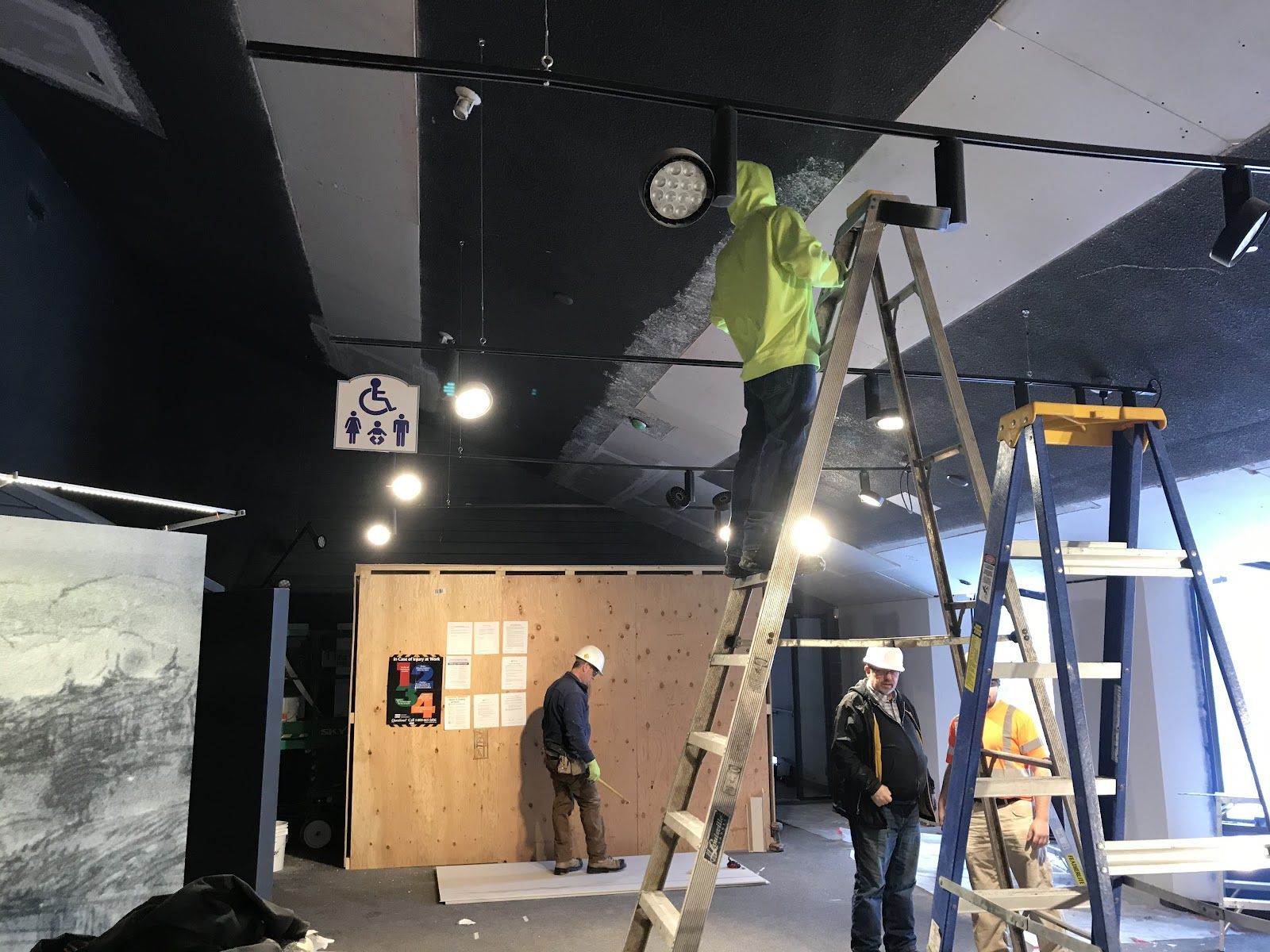
Framing is the skeleton of your basement renovation. This is where new rooms are created, doorways are set, and bulkheads are built around ducts or beams.
Usually, framing is completed by:
• A framing contractor/carpenter, or
• A renovation team offering framing installation as part of the project scope
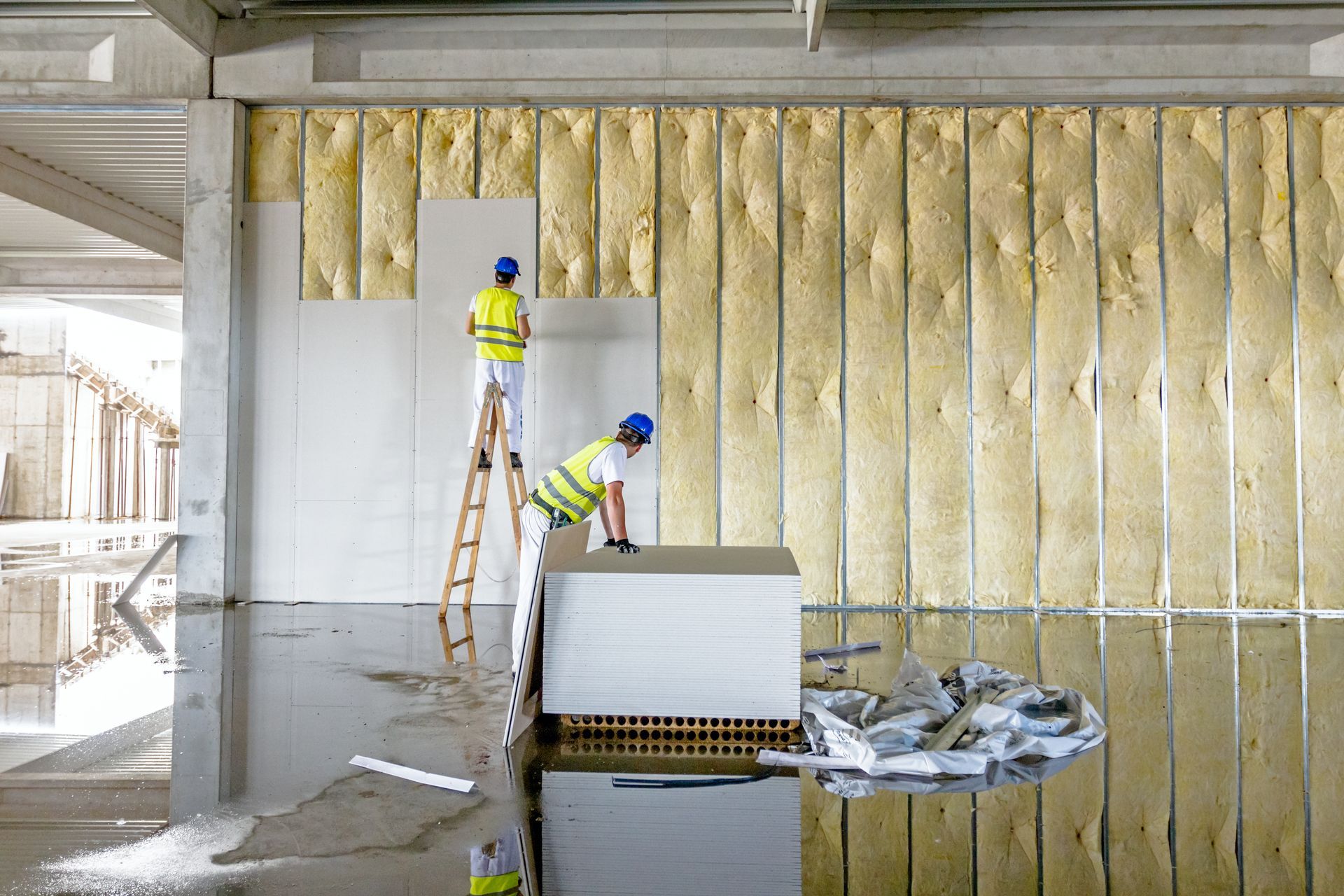
Framing needs to happen after key prep work (moisture solutions, any required foundation repairs, and layout confirmation). It also needs to coordinate with electrical and plumbing rough-ins, which often run through framed walls.
If you’re planning a bedroom, proper framing matters for code items like egress windows, fire separation, and room sizes—another reason permits and plans should come first.
Drywall: Who Installs And Finishes The Walls
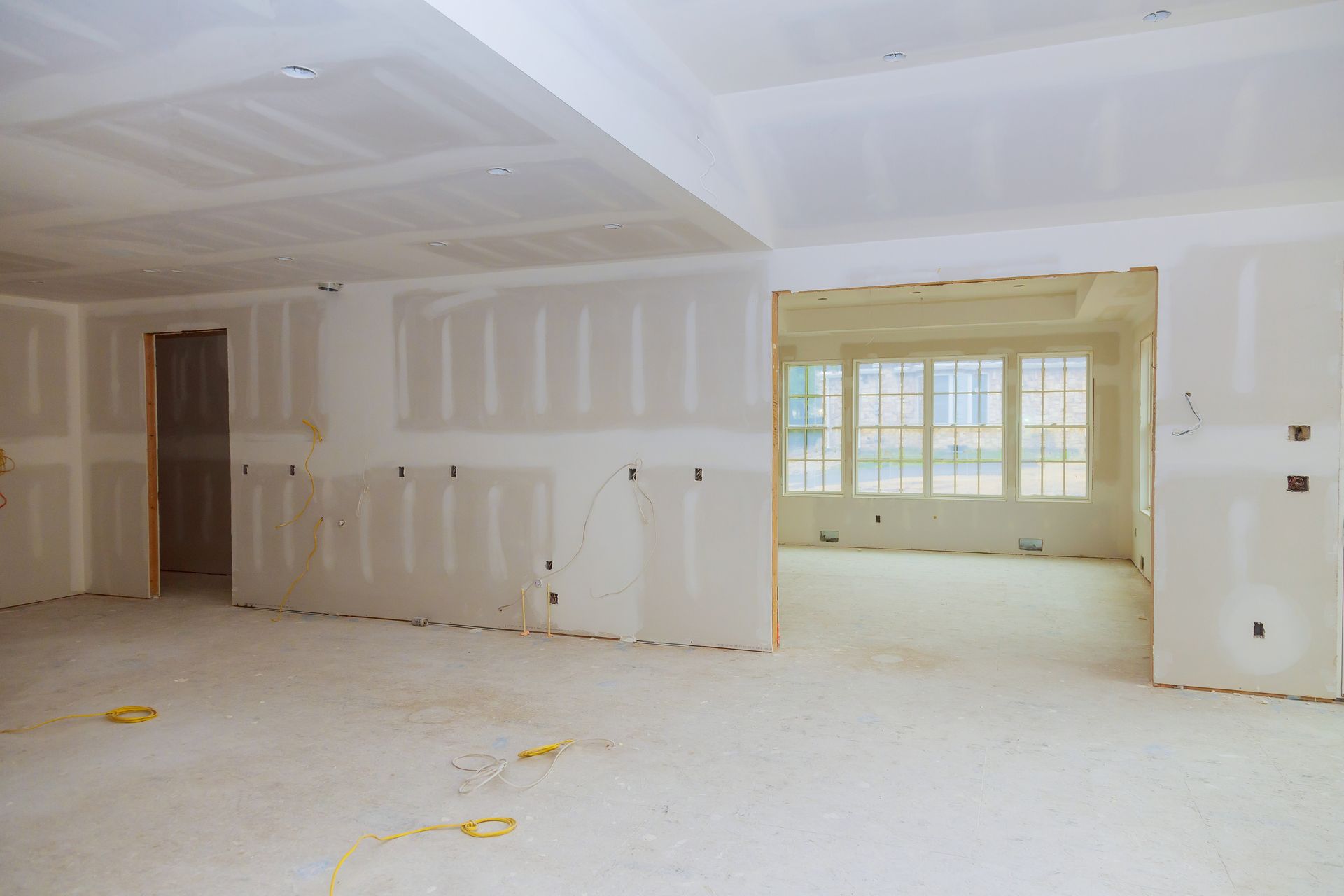
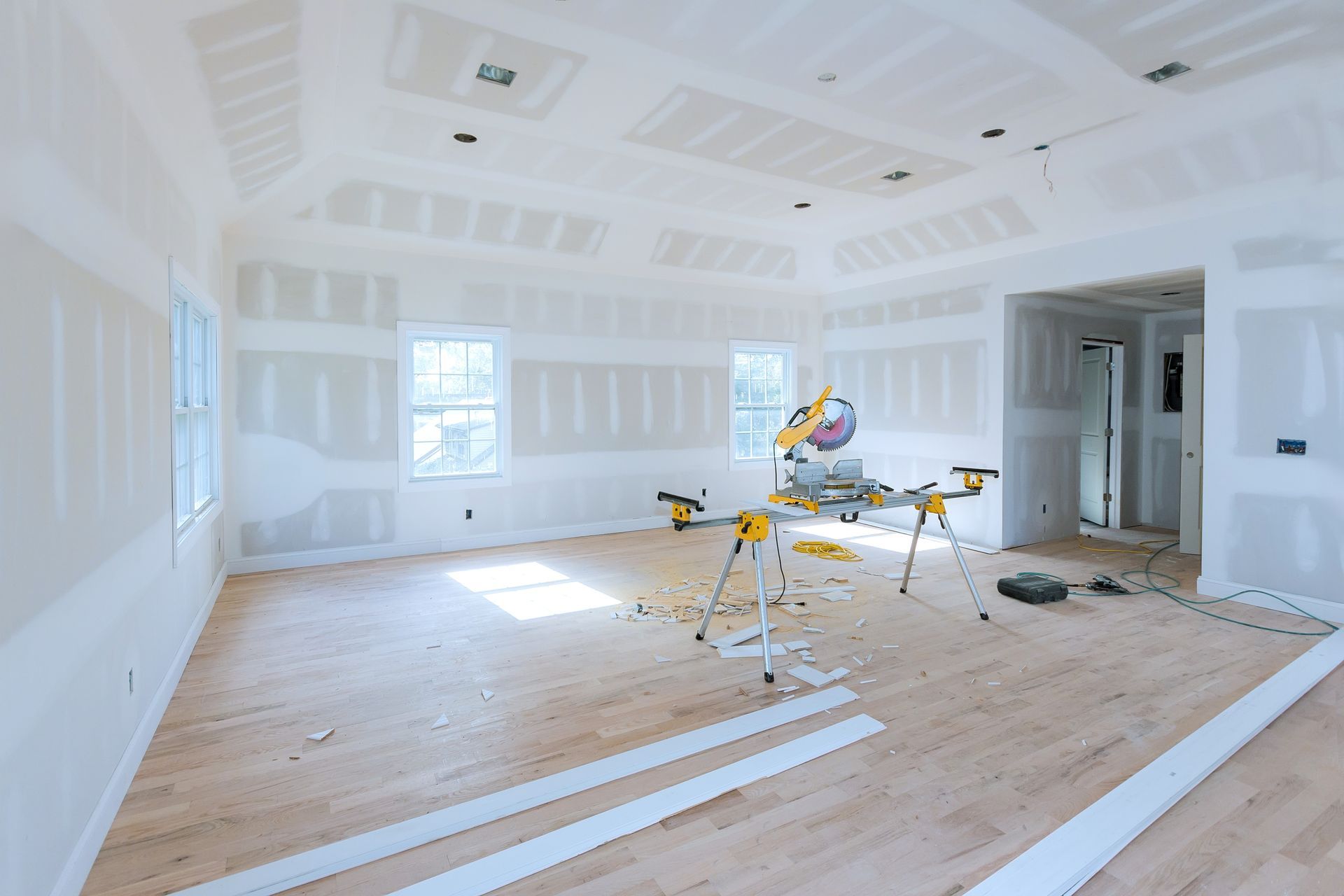
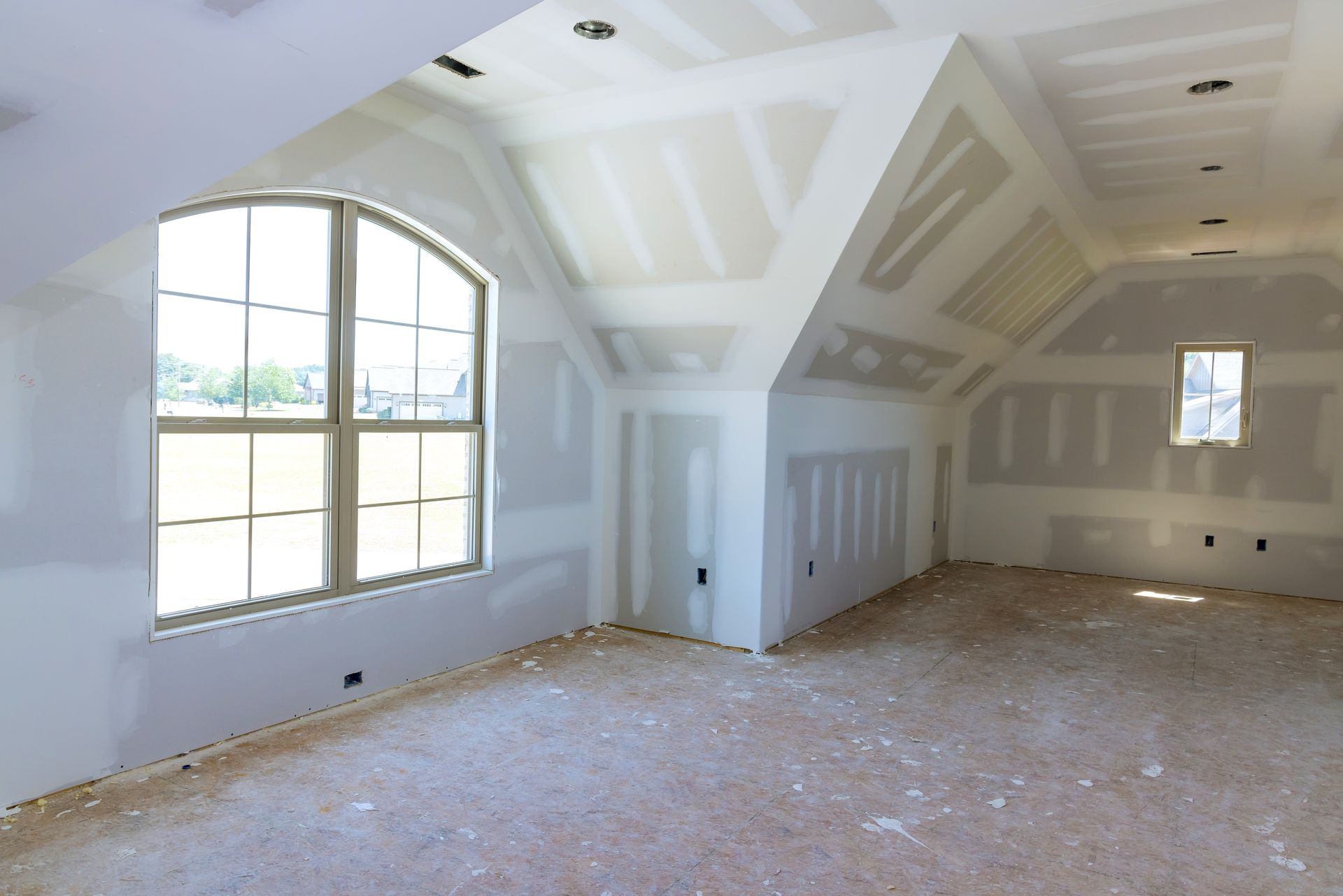
Once framing, rough-ins, and inspections are complete, drywall services bring the space to life. This step includes drywall installation, taping, mudding, sanding, and the finishing level you choose.
For a high-end basement renovation in Southern Ontario—especially in open concept spaces with lots of lighting—many homeowners request a Level 5 finish for the smoothest, most seamless look.
Drywall work is typically handled by:
• A dedicated drywall contractor (ideal for precision and speed), or
• A full-service renovation team with in-house drywall crews
Drywall repair expertise also matters in basements because obstacles are common: tight stairwells, uneven framing, and ceiling transitions. A team that knows how to correct imperfect substrates can save you from visible seams later.
A Simple “Who Does What” Basement Renovation Checklist
To keep your March planning organized, use this quick breakdown:
• Designer or homeowner: space planning, finish selections, budget priorities
• Contractor or homeowner (varies by city): permits and inspection scheduling
• Framing crew: wall construction, doors, bulkheads, backing for fixtures
• Trades (electrician/plumber/HVAC): rough-ins before insulation and drywall
• Drywall contractor: drywall installation, ceiling topping, taping, sanding, Level 5 finish if needed
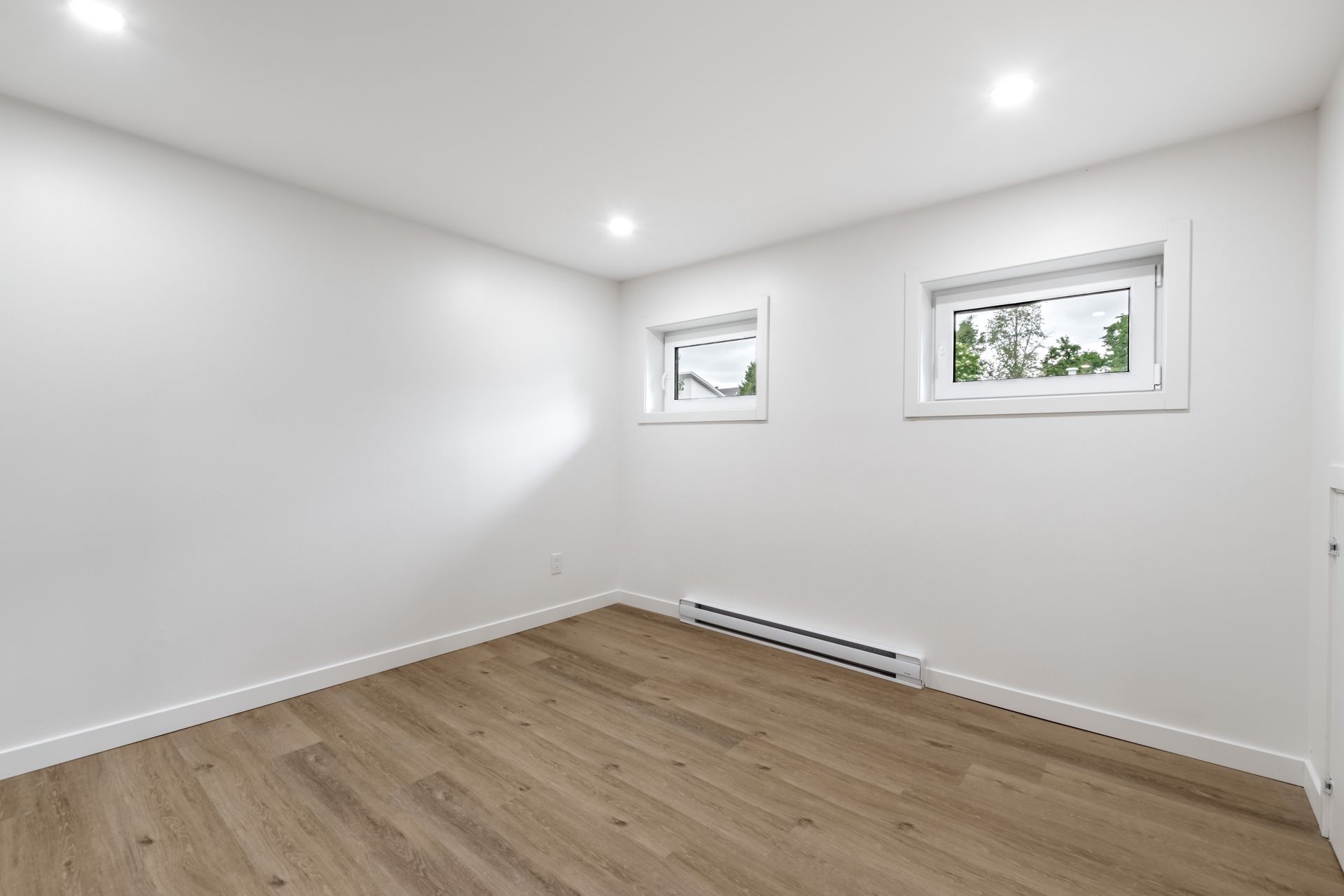
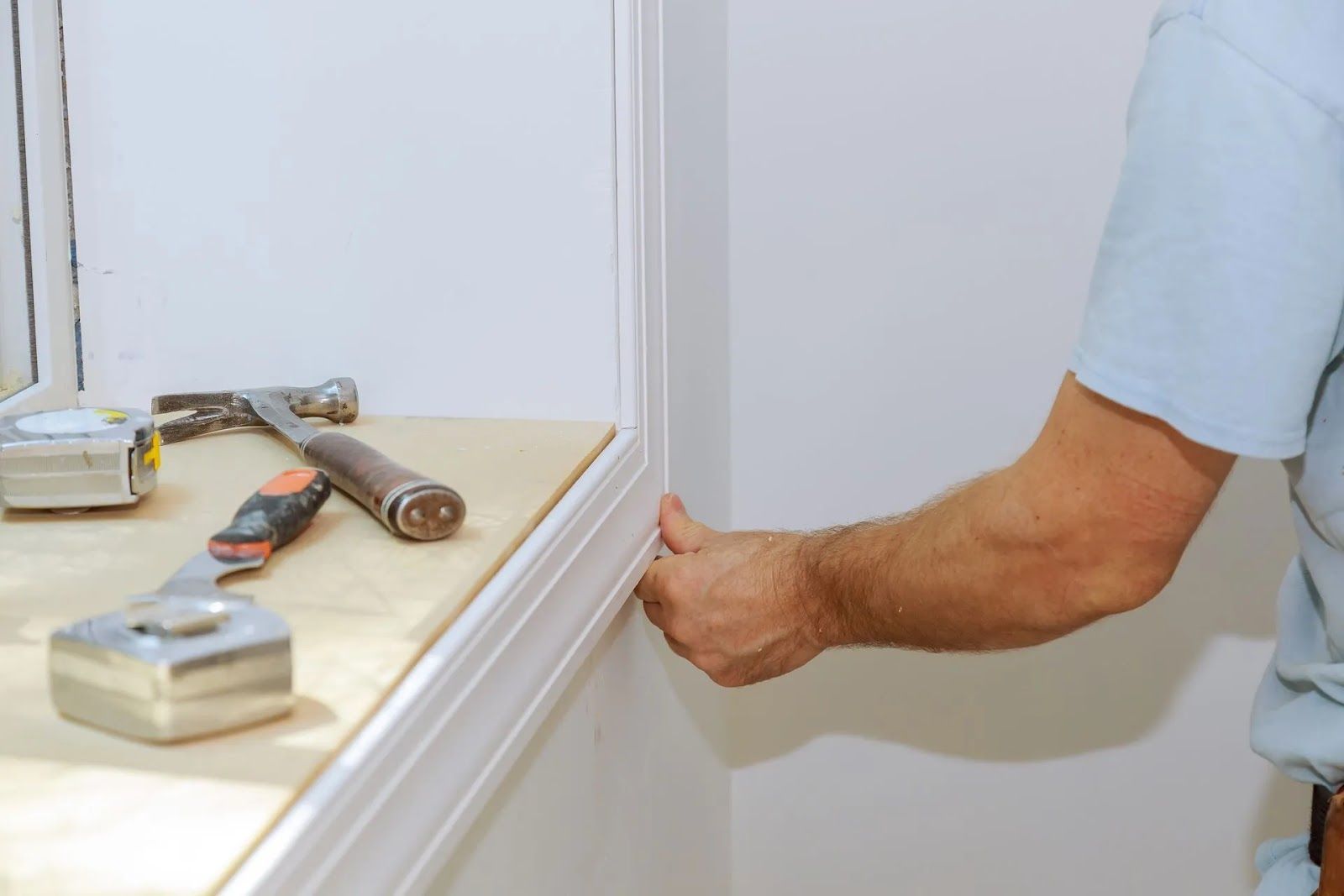
• Finish team: paint, flooring, trim, finished carpentry, final fixtures
March Timing Tip: Plan permits early so your renovation can move smoothly into April and May—prime months for construction schedules in the GTA and surrounding regions.
Final Thoughts: A Better Basement Starts With Better Coordination
A basement renovation can add serious comfort and value, but only when the sequence is right: permits first, framing second, drywall after inspections, and finishing last. When everyone knows their role, you get fewer delays, cleaner finishes, and a basement that feels like it was always part of the home.
If you’re planning a basement renovation in Barrie, the GTA, Newmarket, Vaughan, Guelph, Kitchener-Waterloo, Cambridge, Orillia, Muskoka, Etobicoke, or anywhere across Southern Ontario, Drywallers.ca can help with framing installation, residential drywall, drywall repair, and professional drywall finishing. Book a consultation today and let’s map out a clean, code-ready plan for your basement—starting this March.
Share This Blog