Ceiling Topping 101: When to Skim Coat vs Replace Drywall
If your ceiling is starting to look dated, wavy, or cracked, you’re not alone. Winter in Southern Ontario can be tough on ceilings—dry indoor heat, humidity swings, and the occasional roof leak or ice dam can all show up as stains, seams, or peeling texture. Ceiling topping (often called skim coating) is one of the fastest ways to refresh a room, but it’s not always the right fix. In this guide, Drywallers.ca breaks down when a skim coat makes sense and when replacing drywall is the smarter long-term move—especially for homes and projects across Barrie, the GTA, Newmarket, Vaughan, Etobicoke, Guelph, Kitchener-Waterloo, Cambridge, Muskoka, Orillia, and Simcoe County.
What Ceiling Topping (Skim Coating) Actually Does
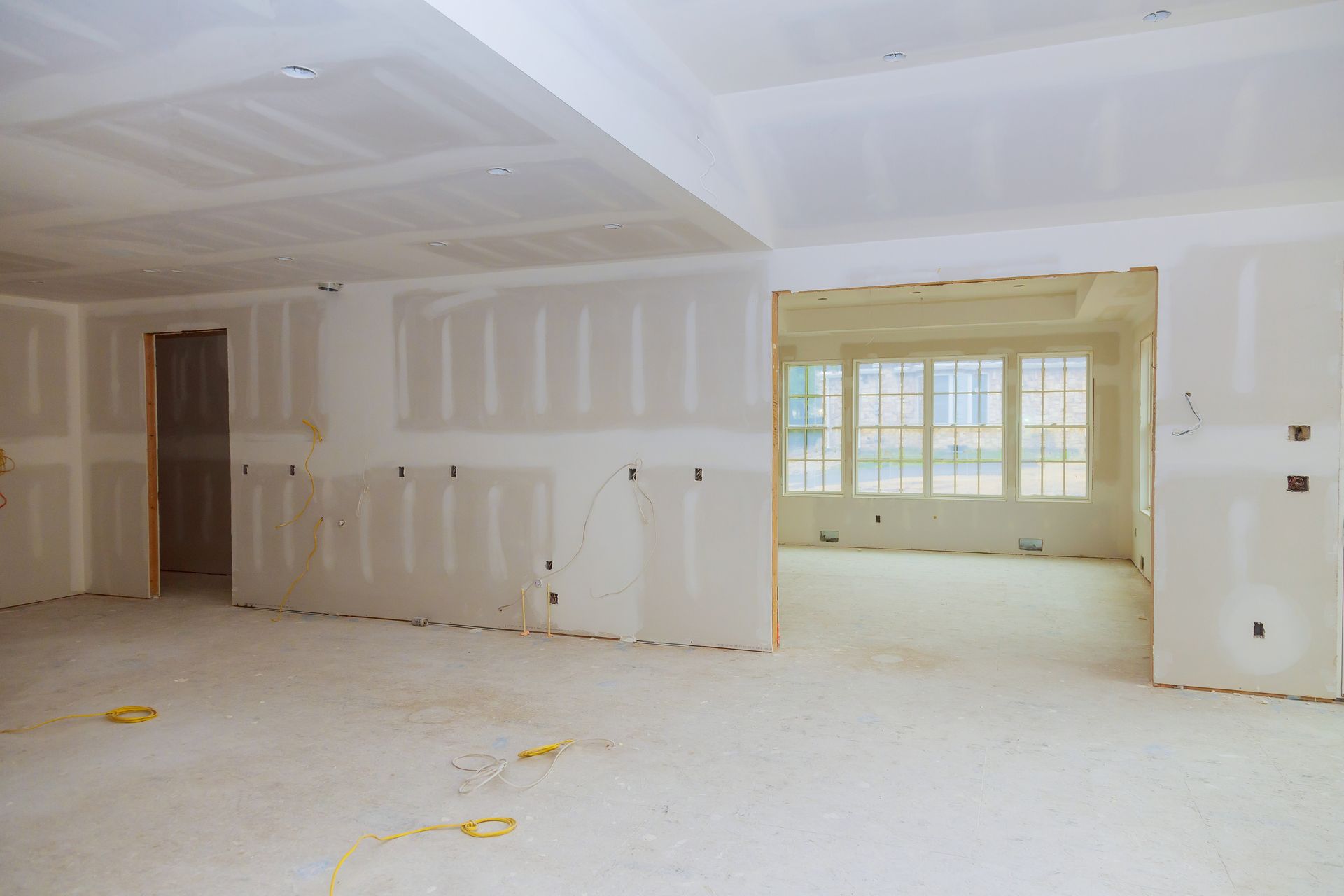
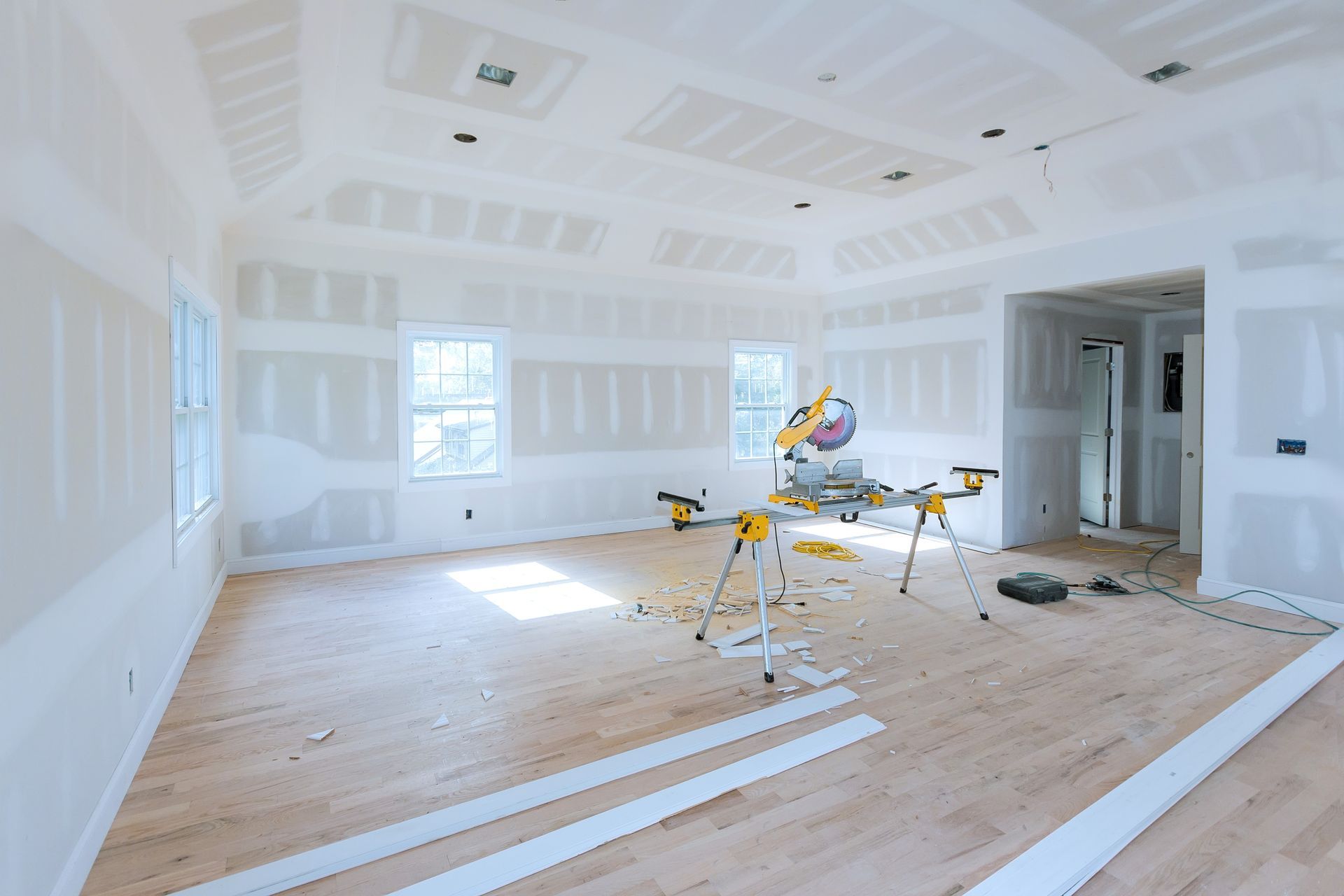
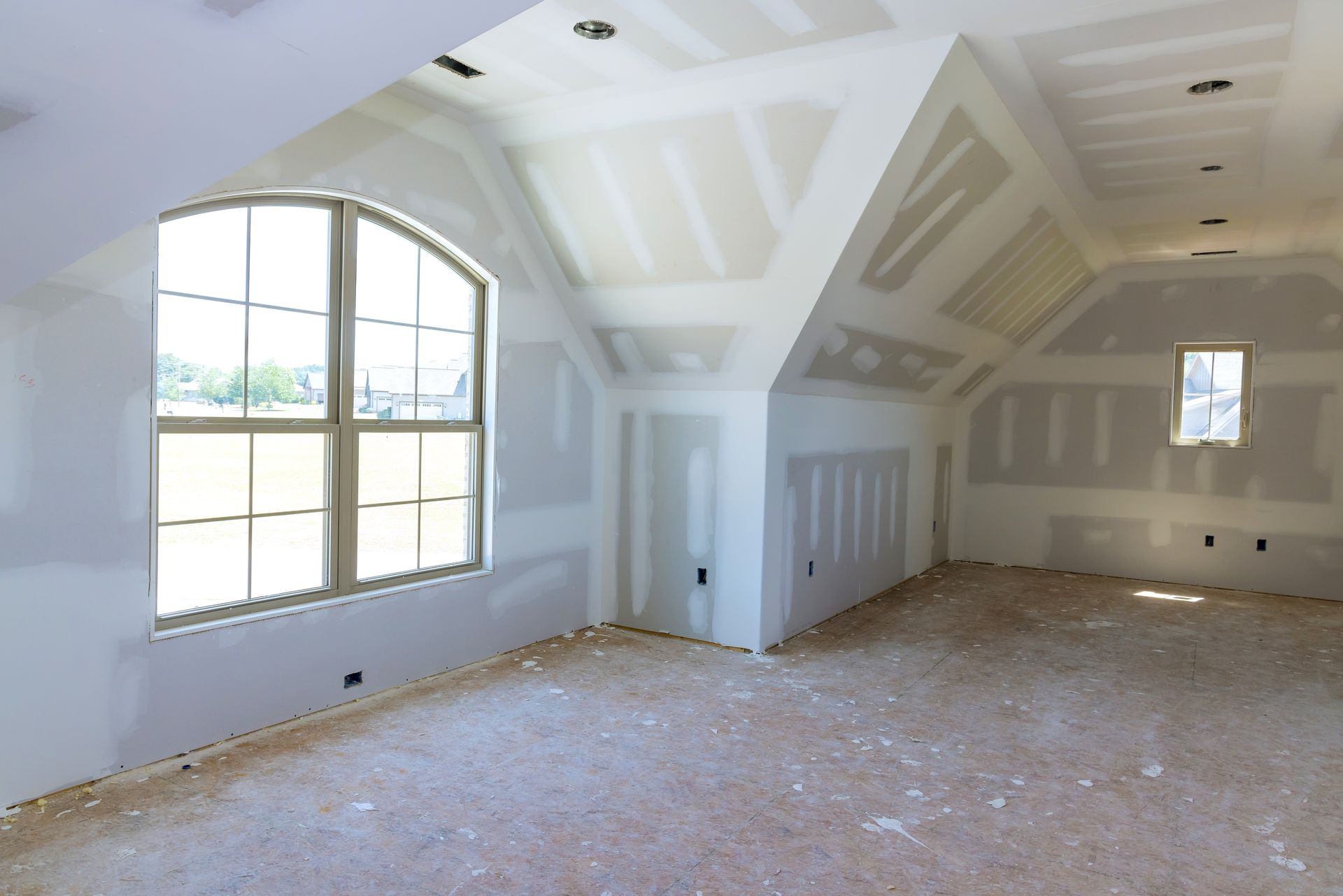
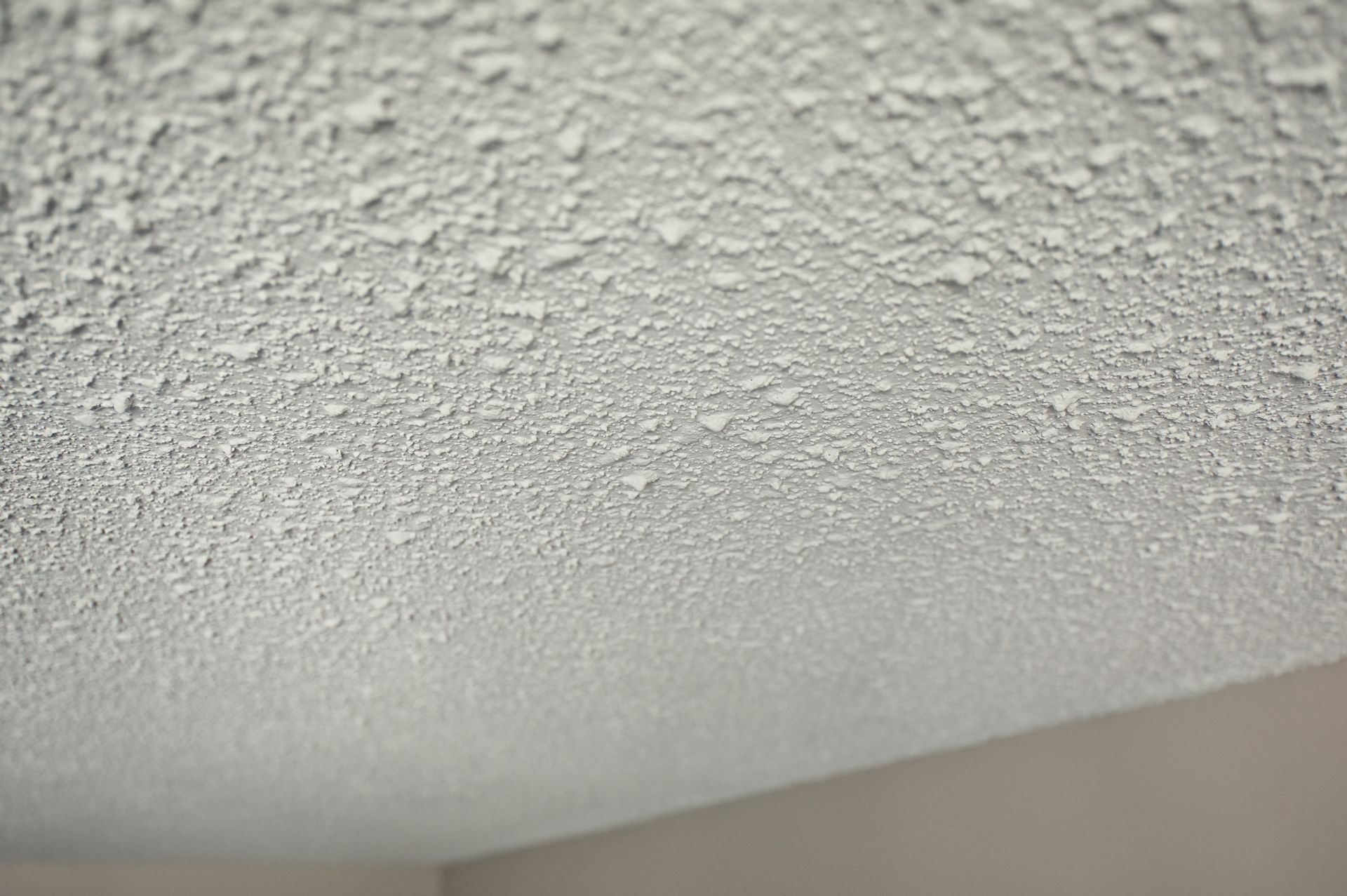
Ceiling topping is the process of applying thin layers of drywall compound to create a smooth, paint-ready surface. It’s commonly used after popcorn ceiling removal, over minor surface damage, or to upgrade an older ceiling to a modern, flat finish.
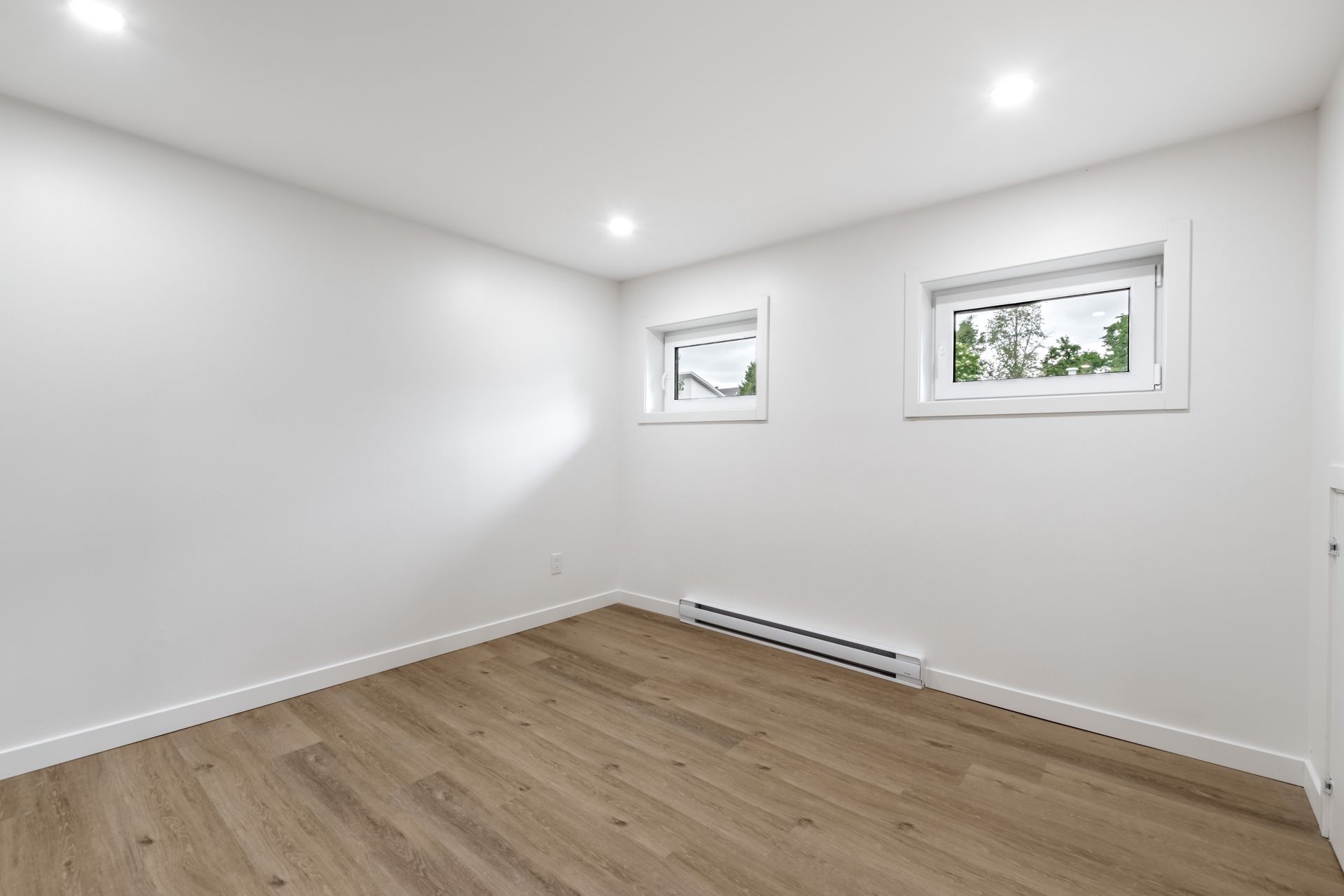
Done properly, topping can deliver a Level 5 finish look—especially in rooms with lots of natural light where every flaw shows.
Skim Coat Is Usually The Best Option When…
Skim coating is ideal when the drywall underneath is structurally sound and you’re mainly dealing with cosmetic issues. In residential drywall projects across Southern Ontario, we often recommend topping when:
- The ceiling has minor cracks, small dents, nail pops, or visible tape lines
- You’re removing popcorn texture and the drywall is intact
- You want a smoother, more upscale look before painting
- The ceiling has uneven sheen or patchiness from older drywall repair work
You’re updating a single room quickly (great for February “indoor project season” before spring renos ramp up)
Local insight: In newer subdivisions around Barrie, Newmarket, and Vaughan, we often see ceiling seams telegraphing through paint during winter due to framing movement and humidity changes. A professional skim coat can flatten those transitions so they don’t keep reappearing.
When Replacing Drywall Is The Better Call
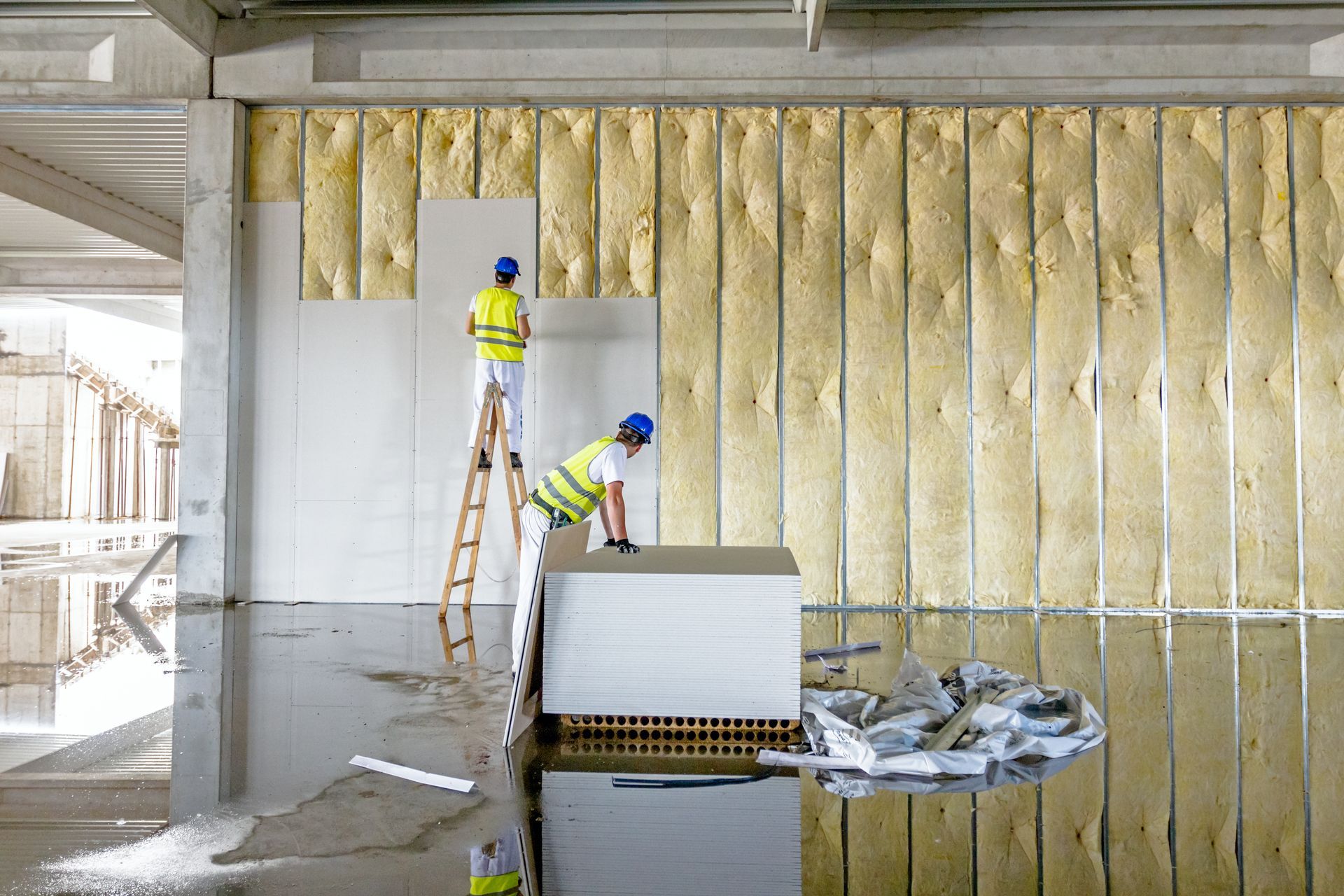
Sometimes, topping is like putting a fresh coat of paint on a damaged foundation—it may look okay for a bit, but the issues can return. Consider drywall installation (replacement) if you have:
- Sagging ceilings (often from moisture exposure or fastener failure)
- Soft or crumbling drywall, especially after water damage
- Mold concerns or repeated staining that keeps bleeding through paint
- Large areas of delamination (paper facing peeling away)
- Extensive cracking that suggests movement or compromised board
For finished basements in places like Kitchener, Cambridge, and Waterloo, replacement is often the safer option after moisture events. Basements can hide humidity issues, and covering it up can trap problems behind the surface.
People Also Ask: Can You Skim Coat Over Damaged Drywall?
You can skim coat over drywall that has minor surface damage, but not over drywall that’s soft, swollen, moldy, or sagging. Skim coating relies on a stable base. If the drywall core has been compromised (common after a winter leak), the compound won’t bond reliably, and the ceiling may crack or fail again. The best approach is to have the surface assessed—sometimes a targeted drywall repair works, and sometimes full replacement is the only way to ensure a clean, durable result.
How Pros Decide: A Quick On-Site Checklist
When we assess ceilings for ceiling topping across the GTA and Simcoe County, we look at:
- Moisture history (stains, odor, meter readings if needed)
- Ceiling flatness (waves, sags, framing telegraphing)
- Existing texture type (popcorn, stomp, splatter)
- Lighting conditions (large windows can reveal every imperfection)
- Project goals (resale prep, modernizing, full renovation)
For commercial drywall spaces in Southern Ontario—offices, retail, or common areas—durability and timeline matter too. If a ceiling needs frequent access panels or has heavy mechanical runs above, replacement with proper framing access can be more practical than repeated patching.
February Timing Tip: Plan Now, Finish Before Spring
February is a great month to tackle ceiling work because indoor trades are in full swing, and it’s easier to schedule projects before the spring renovation rush around March Break and Easter. It’s also a smart time to refresh guest spaces ahead of Family Day get-togethers or a simple at-home “Valentine’s refresh” paint project.
Ready For A Smooth, Modern Ceiling?
Since 1986, Drywallers.ca has helped homeowners, builders, and renovators across Southern Ontario choose the right solution—ceiling topping, popcorn ceiling removal, drywall repair, or full drywall installation—with clear communication and professional results.
If you’re in Barrie, the GTA, Etobicoke, Vaughan, Guelph, Newmarket, Orillia, Muskoka, Kitchener, Cambridge, Waterloo, or Simcoe County, reach out to book a consultation. We’ll tell you honestly whether a skim coat will hold up—or if replacing the drywall will save you time and money in the long run.
Share This Blog