Why Skipping the Drywall Primer Costs You More in the Long Run
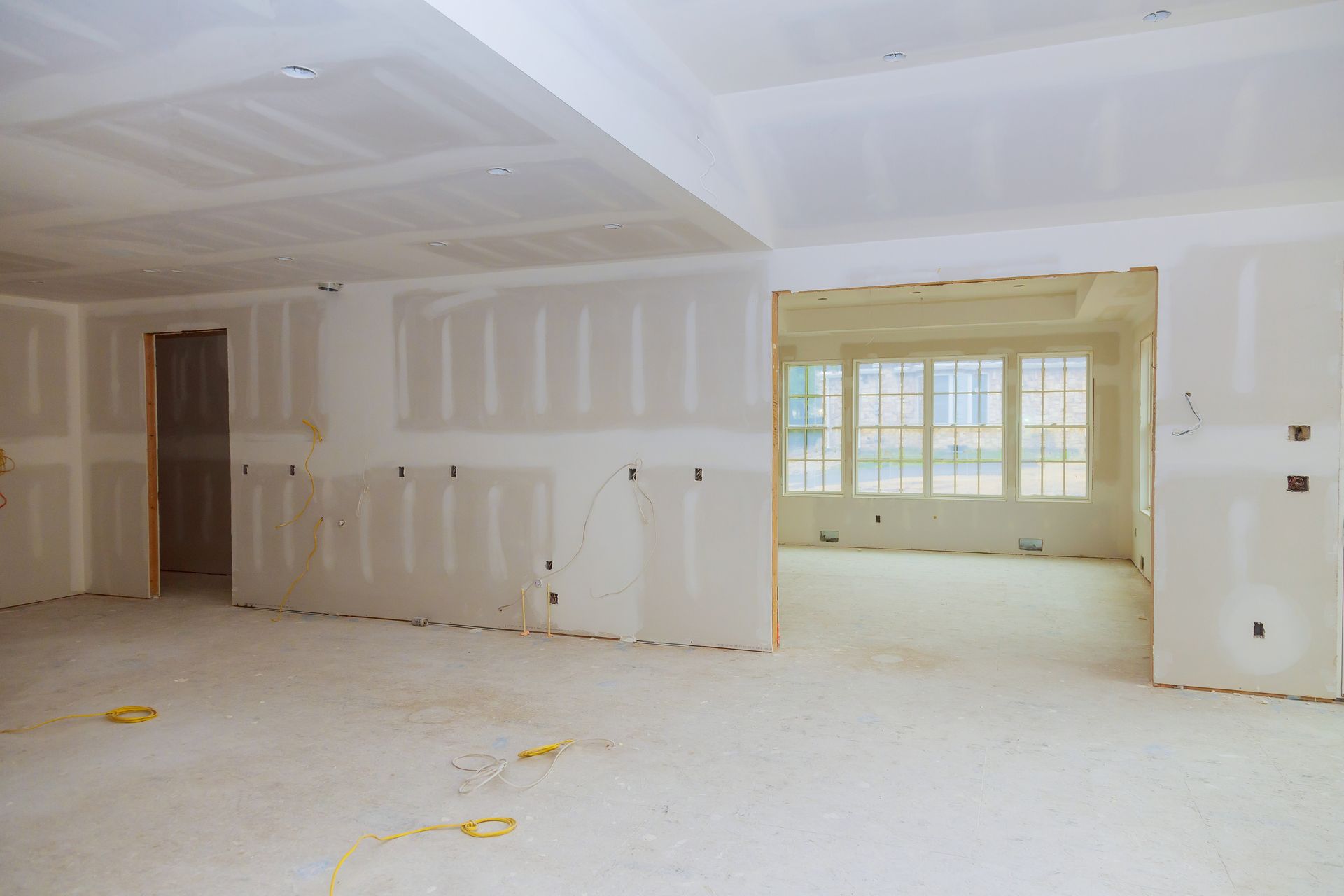
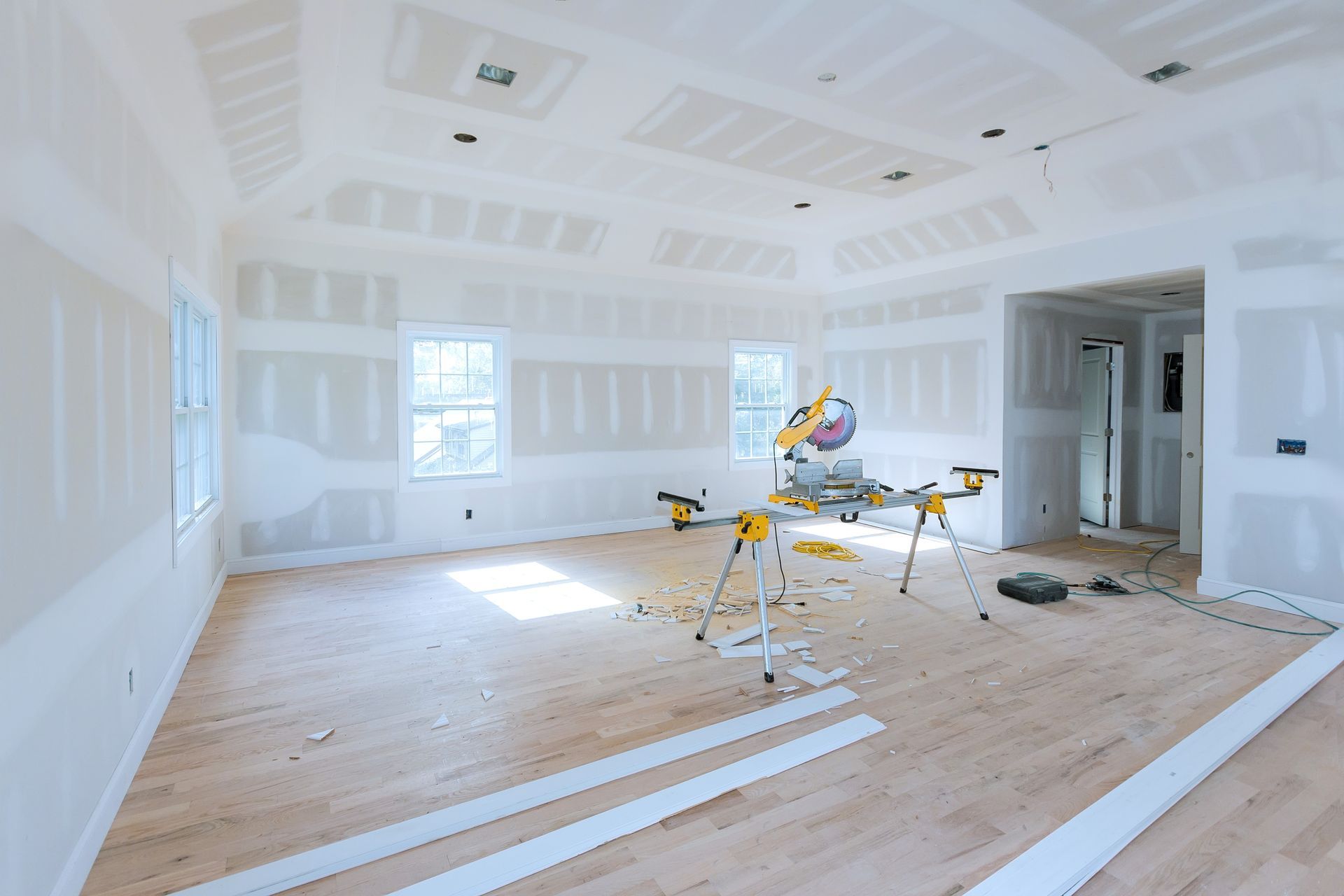
When finishing a new residential drywall installation, excitement builds as the space finally takes shape. Homeowners often want to rush straight to the paint color they spent weeks choosing. The team at Drywallers.ca regularly sees clients try to bypass the priming stage to save a day of labor and material costs. Skipping this foundational step is a massive mistake that guarantees poor aesthetic results.
Applying expensive topcoats directly over raw gypsum board and joint compound creates an uneven, patchy finish. The bare materials soak up the paint at different rates, leaving the wall looking permanently unfinished regardless of how many coats you add. Taking the time to properly seal the surface protects your financial investment and ensures the paint performs exactly as the manufacturer intended. Understanding the chemistry behind this process helps you make a confident decision before hiring a finishing crew in Cambridge, ON.
In This Article:
- The Science of Drywall Absorption
- Red Flags When Hiring a Painting or Finishing Crew
- Crucial Questions to Ask Before You Book
- Do Not Let Poor Preparation Ruin Your Investment
The Science of Drywall Absorption
What happens if you don't prime new drywall?
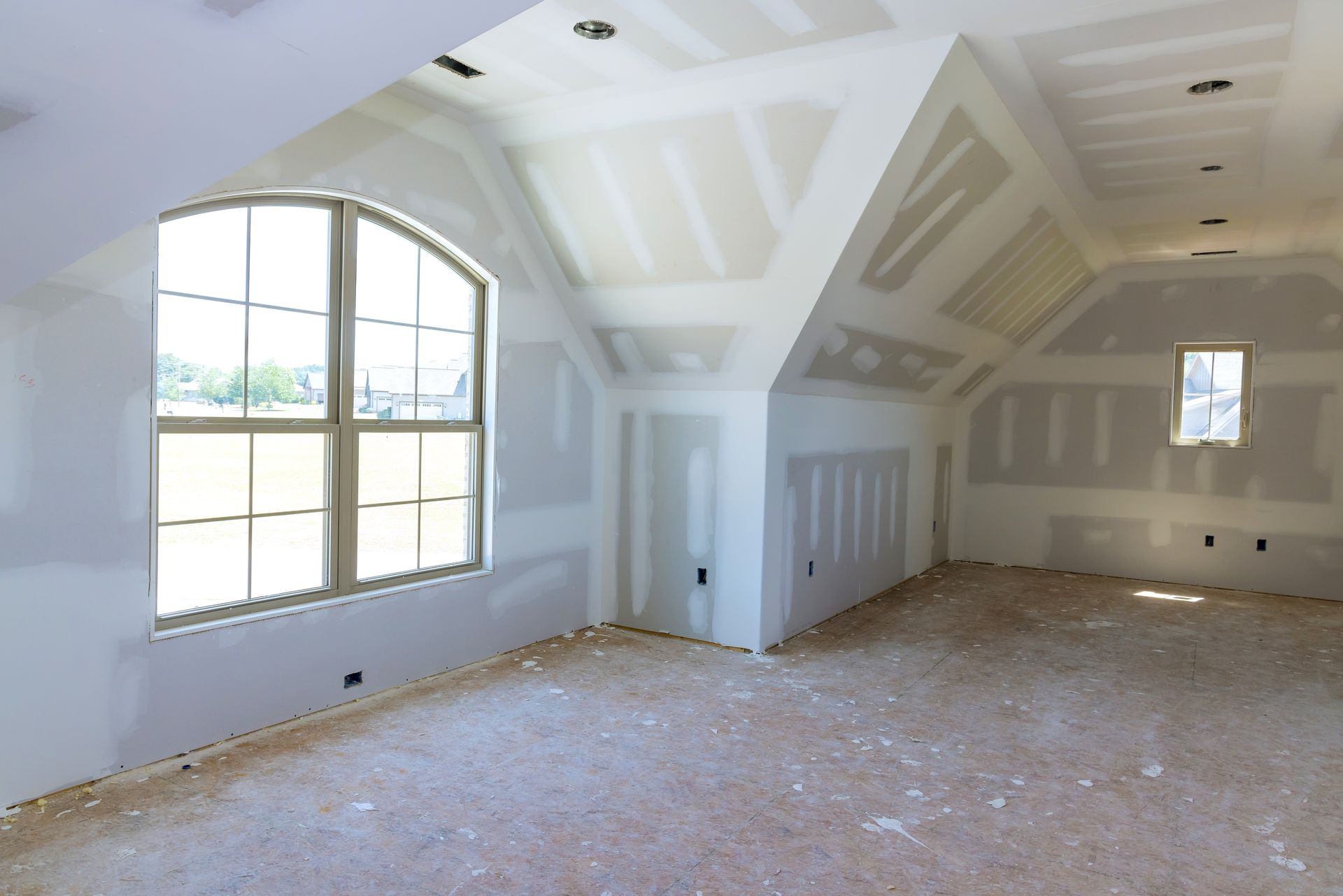
Raw joint compound and the paper backing of gypsum board are highly porous materials. If you do not prime new drywall, these surfaces will suck the moisture out of your paint instantly. This creates a defect known as flashing, where the tape joints look dull and the paper areas look shiny. A high quality drywall primer acts as a barrier, sealing the pores and creating a uniform surface for the topcoat to grip.
Red Flags When Hiring a Painting or Finishing Crew
Low bid contractors often cut corners during the final stages of a custom home drywall project to pad their margins. Spotting these warning signs before you sign a contract will save you from paying for a ruined paint job later.
- Vague Material Lists: The estimate fails to specify whether a dedicated polyvinyl acetate drywall primer will be used instead of a standard paint and primer mixed product.
- Rushed Timelines: The contractor promises to sand the mud, clean the walls, and apply two coats of paint in a single day.
- Skipping Dust Removal: The crew does not include a step for wiping down or vacuuming the fine sanding dust before rolling the liquid coatings.
Crucial Questions to Ask Before You Book
Protecting your walls means knowing exactly what the tradesmen plan to do before they start opening cans. A reputable professional will gladly explain their preparation process in detail.
- Primer Formulation: Are you using a primer designed specifically to seal raw joint compound rather than a general wood primer?
- Drying Windows: How many hours will you allow the sealing layer to cure before applying the first coat of colored paint?
- Inspection Phase: Will we do a walk through with critical lighting after the primer goes on to check for hidden mud defects?
Do Not Let Poor Preparation Ruin Your Investment
Applying the final color to your walls should be the most rewarding part of your renovation project. Taking shortcuts on the primer layer guarantees that every structural joint and texture difference will stand out under your lighting. The experienced professionals at Drywallers.ca know that a flawless finish requires patience, strict preparation, and the right sealing products. Reach out to our team today to ensure your next drywall project gets the exact foundation it needs.
Share This Blog