Asbestos Risks When Scraping Popcorn Ceilings in Older GTA Homes
Home renovation projects in Ontario often reveal unexpected historical challenges hidden beneath layers of old paint and texture. For properties built before the late 1980s, textured finishes were a standard choice for hiding structural imperfections quickly. When homeowners consider updating these surfaces, they often think about a straightforward weekend project. However, the team at Drywallers.ca knows that disturbing these textured areas without testing poses serious health hazards that require a professional approach.
Taking a scraper to an old ceiling can release microscopic particles into your living space, creating long term air quality issues. What seems like a simple cosmetic upgrade can quickly turn into a major environmental hazard for your family. Understanding the structural and material realities of older buildings is the first step toward achieving a clean, modern look safely. By addressing these hidden dangers directly, property owners can plan their renovations with complete confidence and protect their investment.
In This Article:
- The Hidden Material Hazard in Textured Finishes
- Why DIY Popcorn Ceiling Removal Makes the Contamination Worse
- The Process for Restoring Older Plaster and Drywall
- Can I remove a popcorn ceiling if it has asbestos?
- Secure a Flawless Finish for Your Home
The Hidden Material Hazard in Textured Finishes
Many residential properties throughout the GTA, ON feature textured ceilings that were applied decades ago to cut down on construction labor. Builders favored this method because it masked minor defects in the underlying framing and plaster work without requiring multiple coats of joint compound. The critical problem is that prior to strict construction regulations, these mixtures regularly included mineral fibers added for durability and fire resistance. When these materials remain undisturbed, they present no immediate danger to the occupants of the home.
The risk multiplies the moment those fibers are dislodged by sanding, scraping, or gouging during a remodel. Because these particles are invisible to the naked eye, they hang in the air for days and settle into carpets, upholstery, and ventilation systems. The correct solution is always to have a certified laboratory test a physical sample before any surface disturbance begins. If the test comes back positive, specialized containment and negative air pressure systems are necessary to isolate the work zone completely.
→ From a professional standpoint: Never assume a textured finish is safe just because a building looks modern, as old inventory material was frequently used well into the late 1980s.
Why DIY Popcorn Ceiling Removal Makes the Contamination Worse
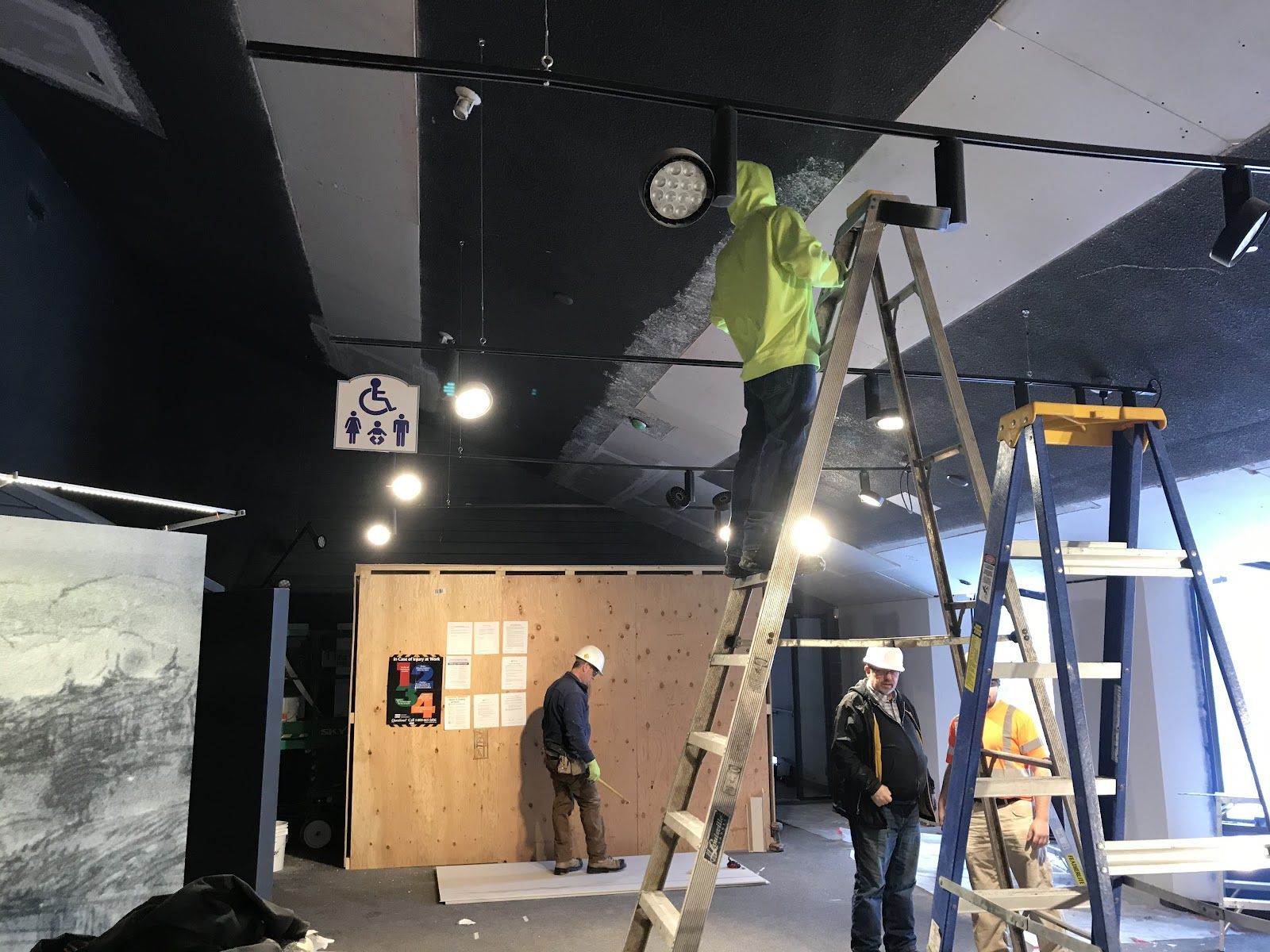
Homeowners often try to tackle popcorn ceiling removal on their own to save on labor costs, unaware of how easily fibers spread. Standard household vacuums and retail dust masks are entirely inadequate for filtering out microscopic mineral dust, serving only to stir the particles further into the household air. Without professional grade containment zones, a single afternoon of scraping can contaminate an entire multi story house, leading to an incredibly expensive remediation process. Furthermore, aggressive scraping usually gouges the underlying gypsum boards, creating deep tracking marks and structural damage that require extensive repairs later.
When an amateur attempts this work, they also tend to overlook how moisture affects the material, often oversaturating the ceiling and causing the paper backing of the drywall to peel and sag. This creates a secondary issue where the entire substrate loses its integrity, meaning simple patching is no longer an option. Professional crews use dustless filtration equipment and controlled wetting techniques to keep all particles bound to the material during extraction. Choosing an expert team ensures that the structural core of your room remains stable while keeping your living environment completely safe.
It is a pattern the team at Drywallers.ca hears regularly when taking over compromised restoration projects. Homeowners realize that professional intervention saves both their property value and their peace of mind after unexpected damage occurs.
► Client Experience: Very knowledgeable and helpful. I needed some drywall work done after a tree fell on the house and cracked a bunch of plaster. They got in and were super accommodating and efficient with their work. The only thing I regret is not tearing out the rest of the room so everything could look as good as the part that’s was repaired. Kyle Coveny
This client experience highlights how professional execution leaves a finish so crisp that older, untouched areas of a home pale in comparison.
→ A quick tip to remember: Attempting to scrape a textured ceiling without containment usually doubles the total project cost by adding heavy environmental cleanup fees to the bill.
The Process for Restoring Older Plaster and Drywall
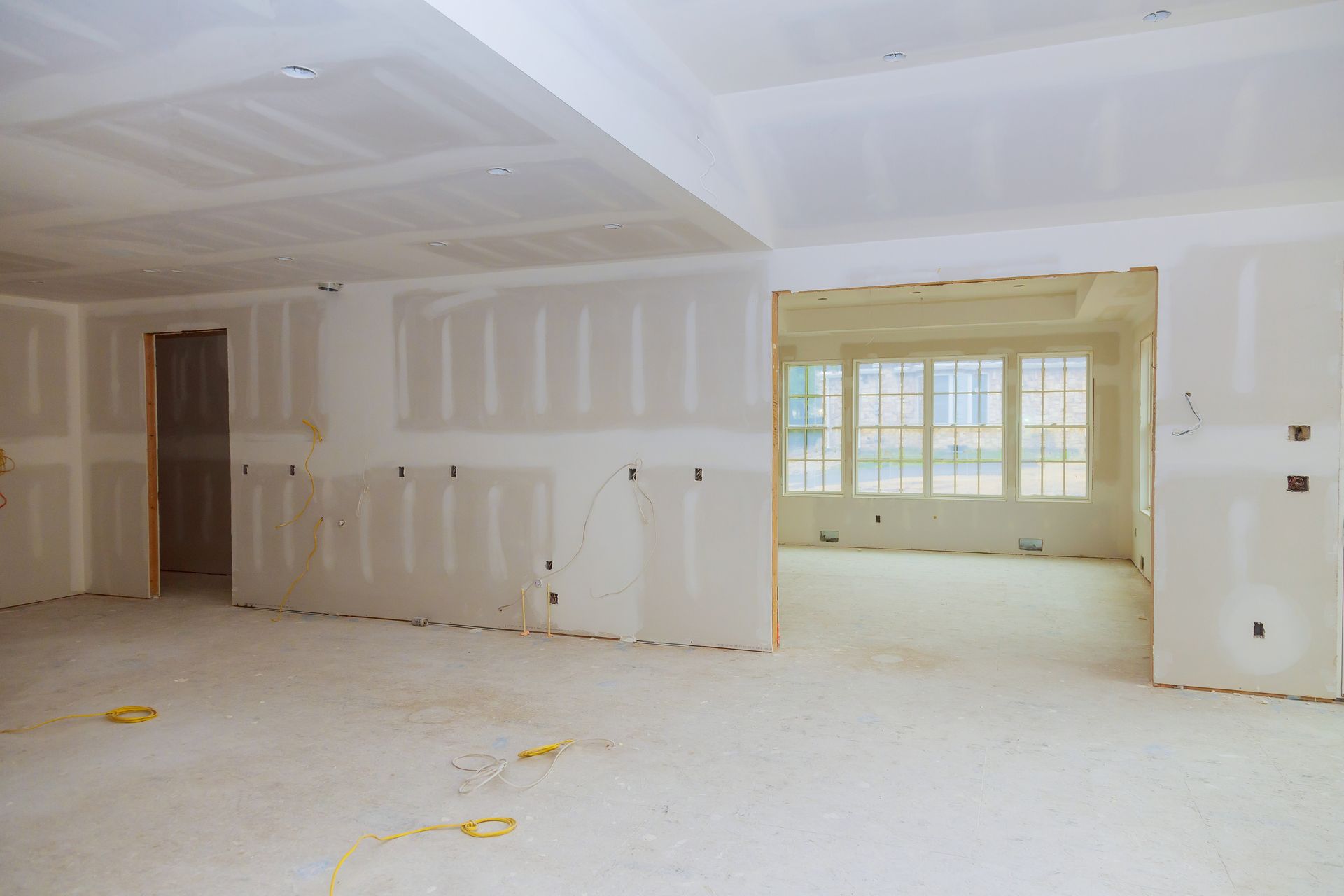
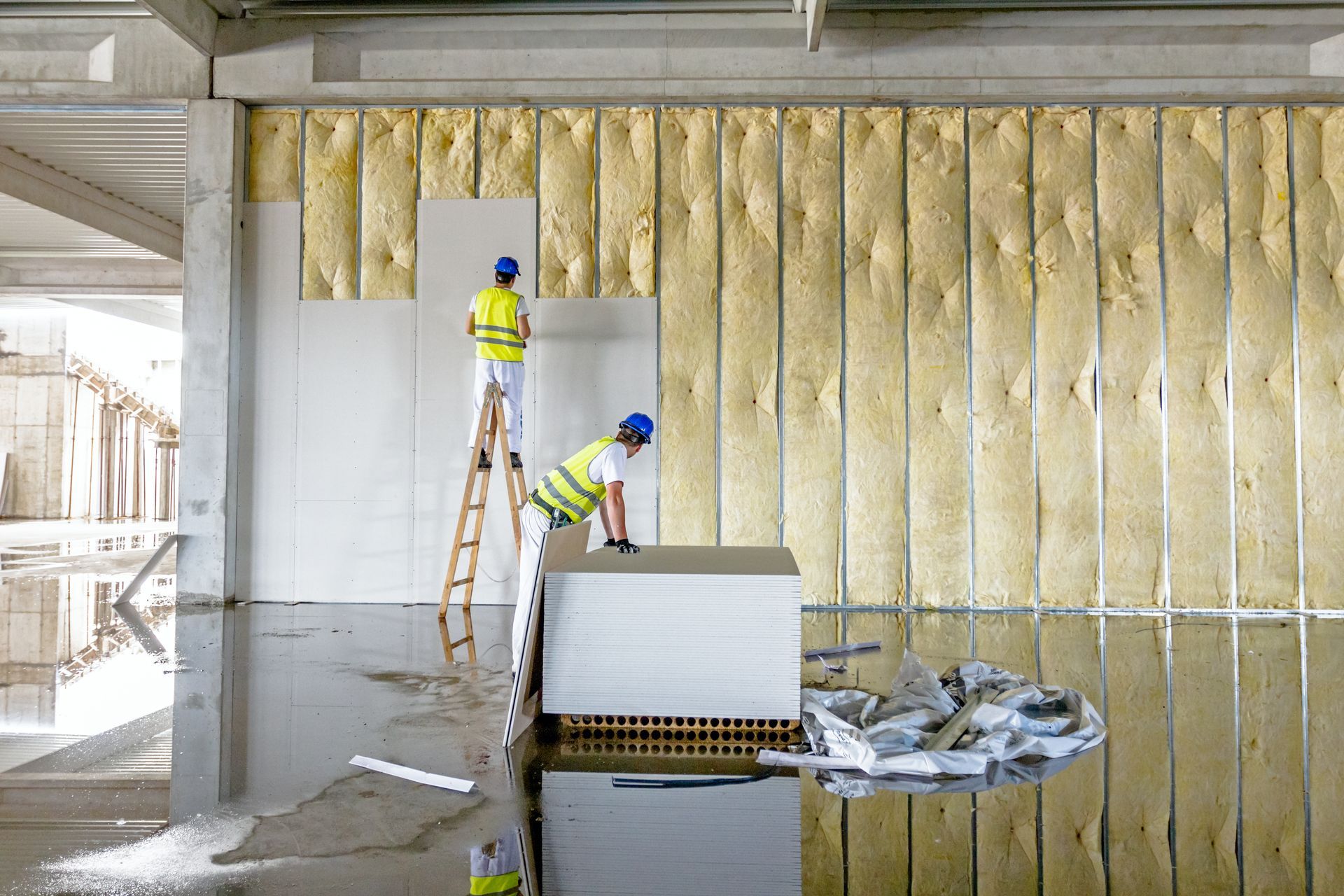
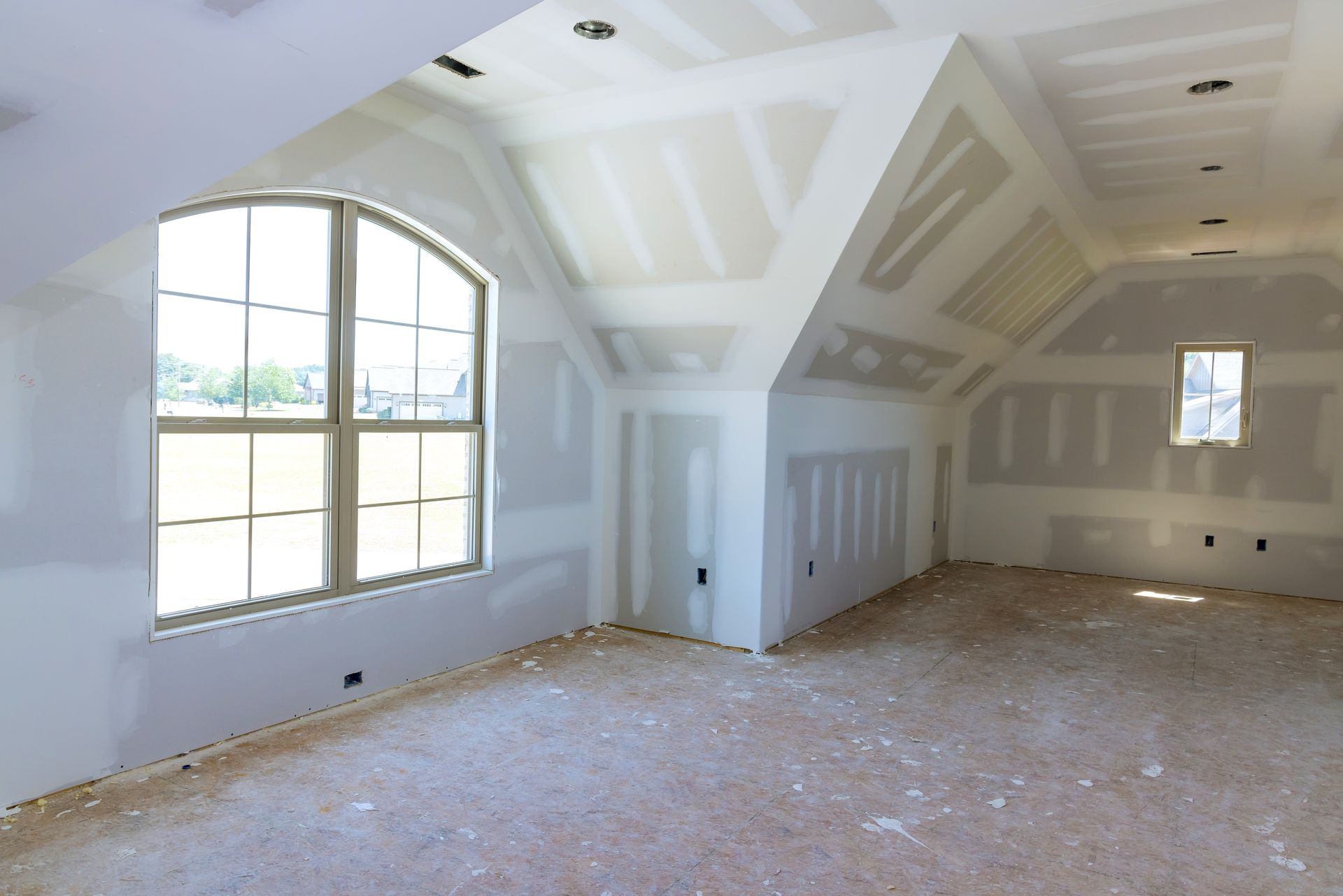
Once a textured finish has been safely addressed, the underlying surface requires professional care to prepare it for a fresh coat of paint. Older homes frequently suffer from structural shifting, which leaves the plaster sheets beneath the texture cracked, uneven, or partially detached from the wood lath. Simply painting over these areas will only highlight the defects, especially under modern recessed lighting fixtures. Experienced installers evaluate the framing beneath the surface to determine if the boards need reinforcement or if a new layer of thin gypsum board should be installed directly over the old plaster.
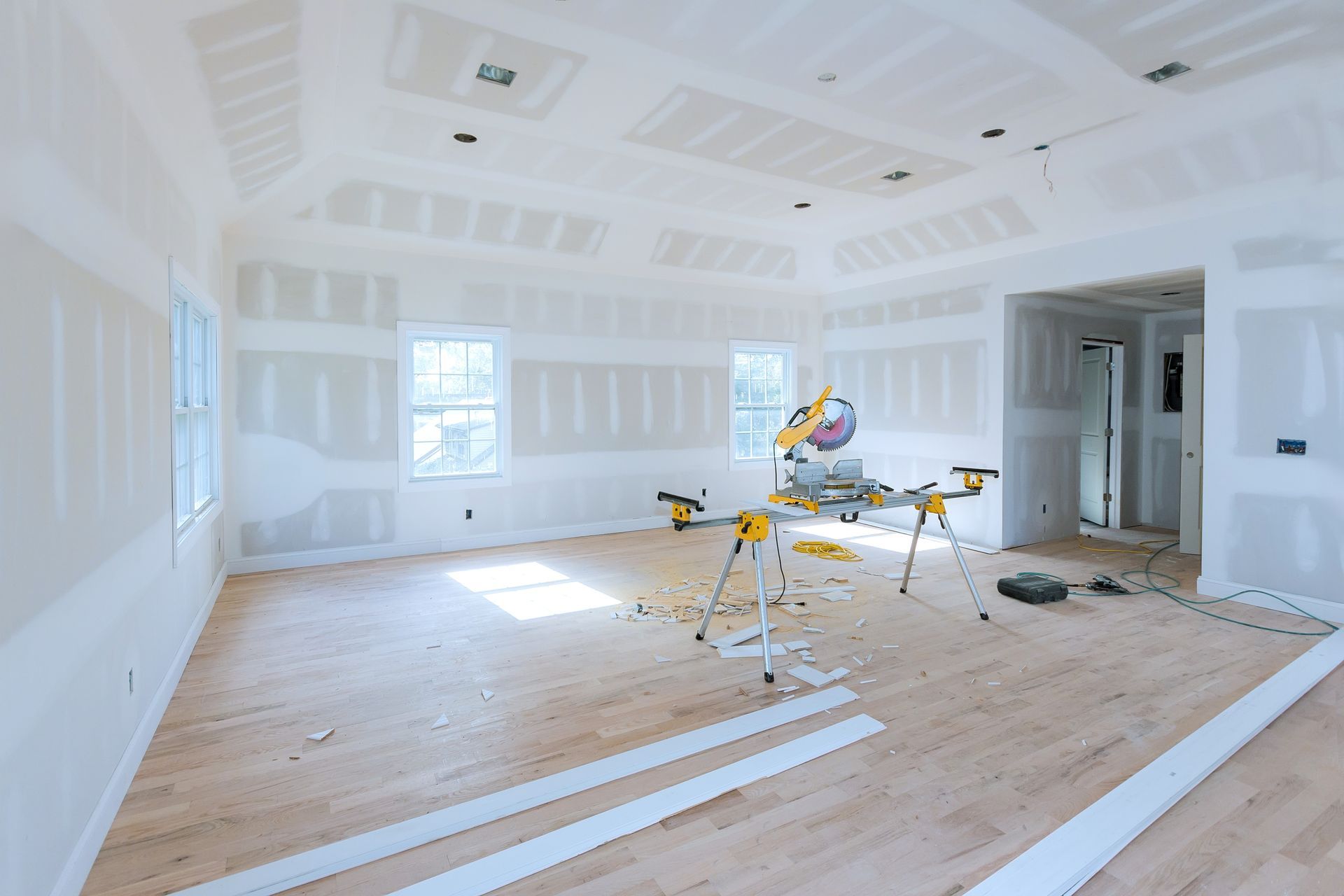
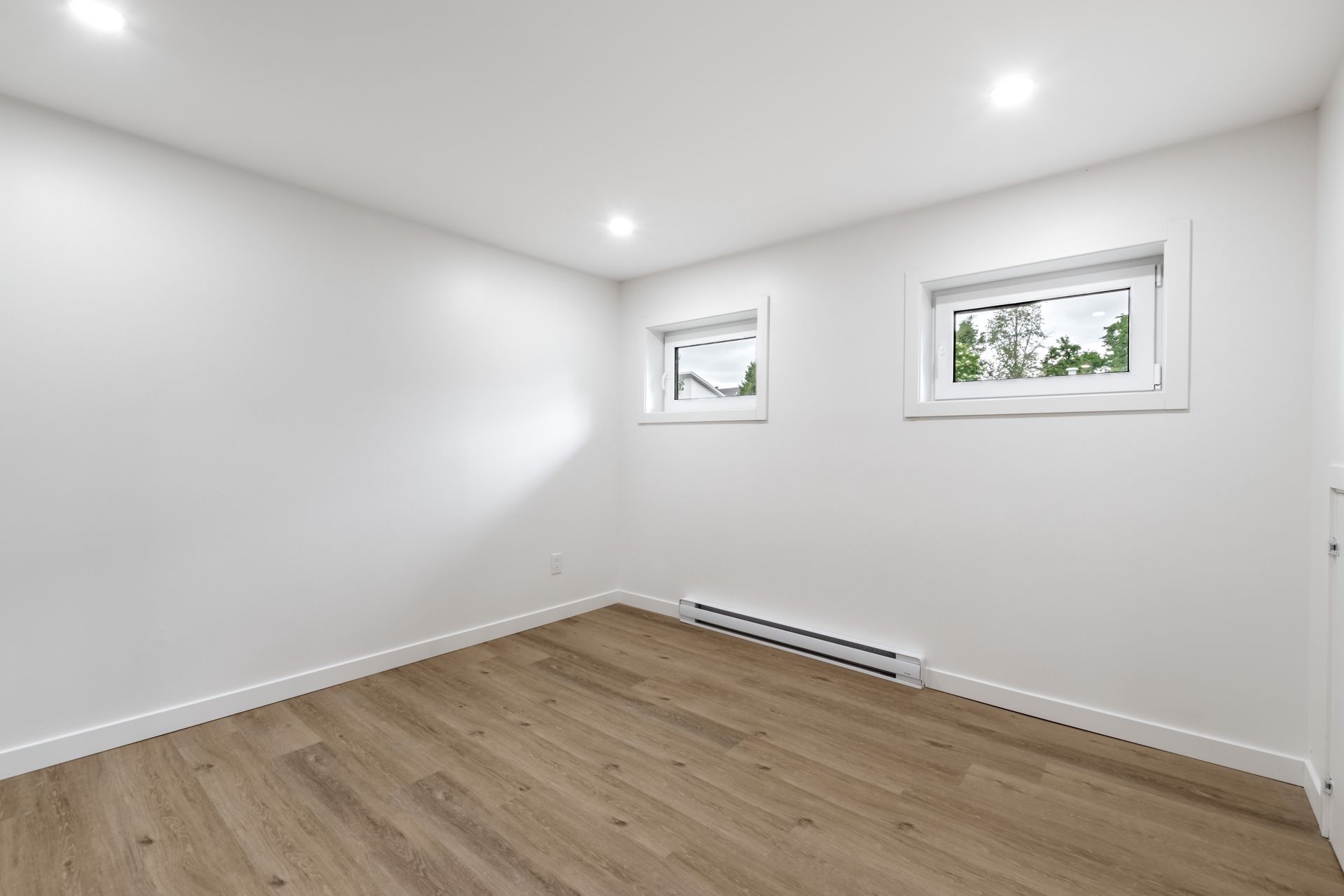
Our team applies specialized bonding agents and multiple thin coats of premium joint compound to achieve a perfectly flat, uniform surface. This careful layering process fills in old wire tracking, smooths out structural dips, and prepares the room for its final aesthetic treatment. By investing in proper surface restoration, you guarantee that your home looks pristine under any lighting condition while ensuring long lasting durability.
Can I remove a popcorn ceiling if it has asbestos?
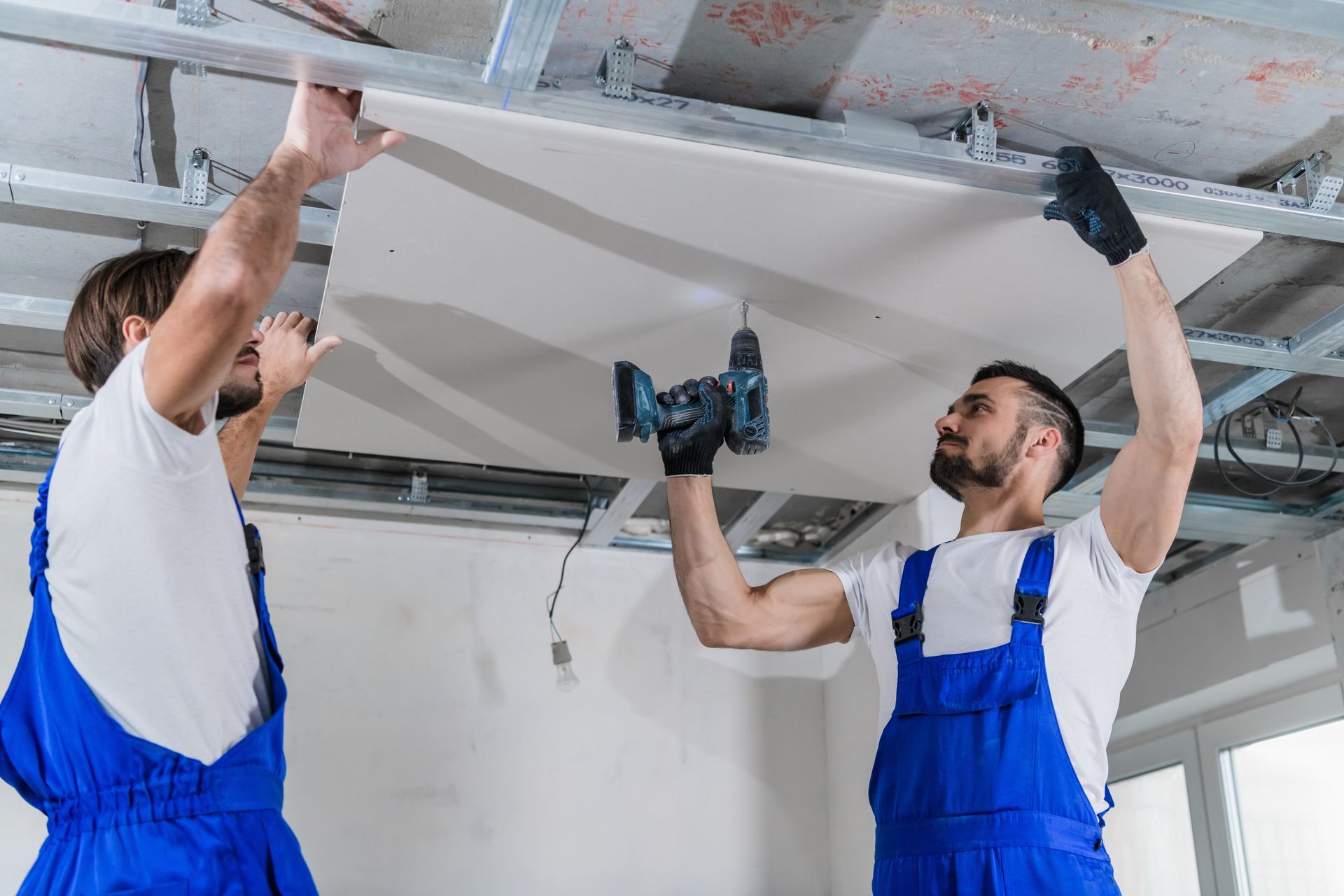
Yes, but it cannot be done using standard remodeling methods or disposed of in regular residential waste bins. If testing confirms the presence of hazardous minerals, the removal must follow strict provincial safety protocols, which involve sealing all vents, using thick plastic sheeting, and wearing specialized respiratory gear. Once the hazardous material is safely extracted and documented, professional drywall installers can safely rebuild, coat, and finish the ceiling to modern standards.
→ From a professional standpoint: Safe containment and verified disposal documentation protect your family during the project and safeguard your property value during future real estate transactions.
Secure a Flawless Finish for Your Home
Addressing an outdated ceiling requires a careful balance of environmental safety and trade precision to ensure a durable result. Attempting to tackle these projects without the proper training and equipment risks both your household health and the structural integrity of your walls. The experienced crew at Drywallers.ca is ready to handle every stage of your renovation, from initial assessment to the final smooth finish. Reach out to our specialists today to book a professional consultation for your property.
Share This Blog